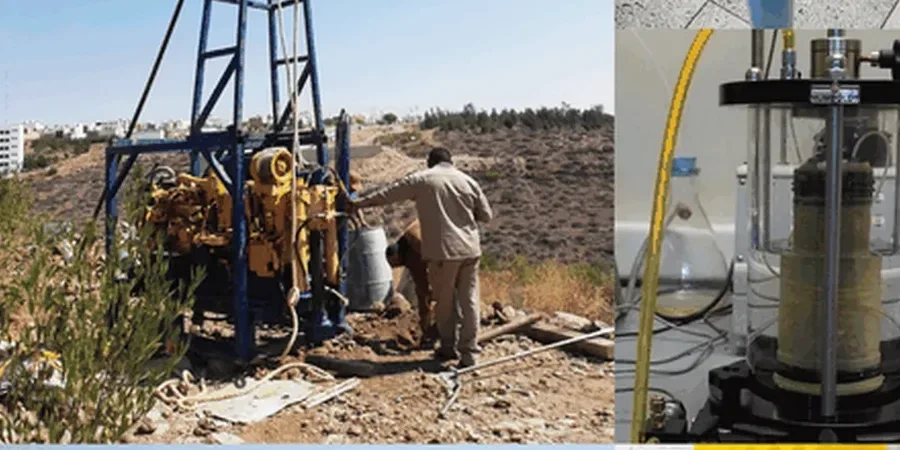
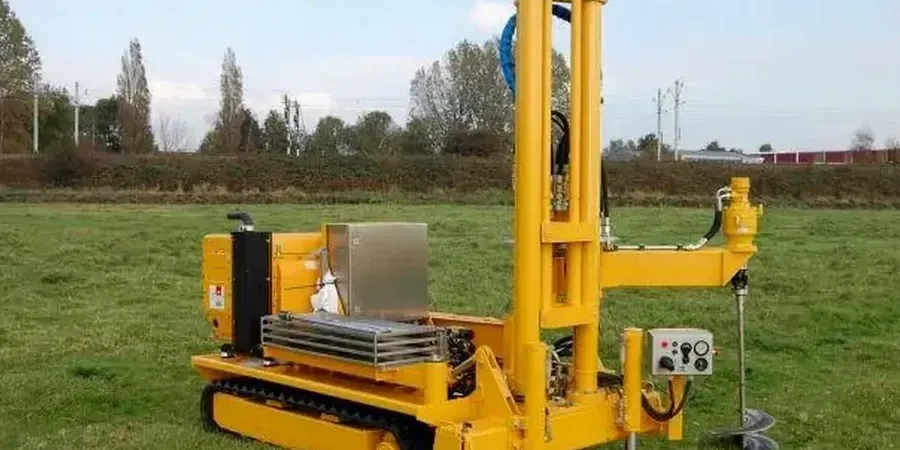
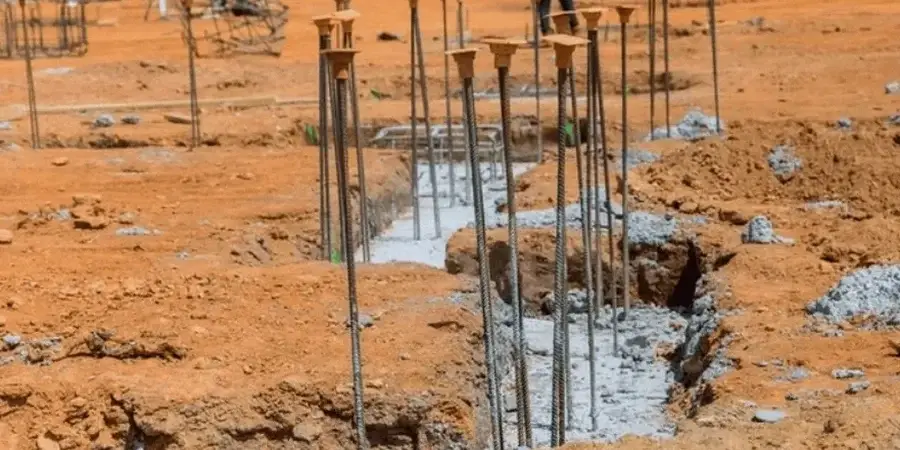
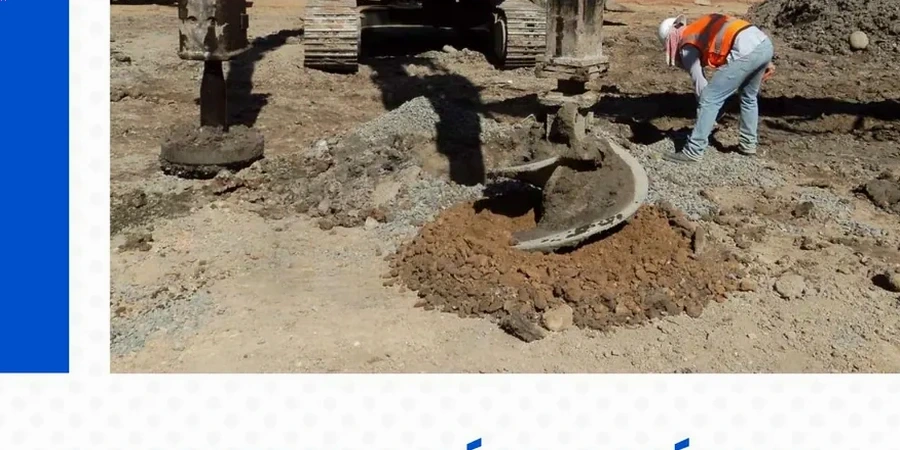
Garland sits on the expansive Blackland Prairie soils, and anyone who has managed earthworks near Lake Ray Hubbard or along the Rowlett Creek floodplain knows the subsurface here doesn't forgive assumptions. A soil mechanics study in this part of Dallas County goes well beyond a simple boring log—it defines the load-deformation response, pore pressure behavior, and shear strength envelope that will govern your foundation design. Because the city's eastern zones transition from stiff residual clays into looser alluvial deposits, the interaction between footing geometry and soil stiffness often dictates whether a project needs ground improvement or can proceed with a conventional shallow system. When we run a full program of triaxial and consolidation testing on Shelby tube samples recovered from depths of 10 to 30 feet, the resulting parameters let the structural engineer size footings with confidence instead of guessing at presumptive values lifted from a generic table. Before mobilizing the drill rig, many contractors supplement the laboratory phase with an SPT drilling campaign to correlate blow counts against undisturbed strength, especially where the stratigraphy includes interbedded sand lenses that can mask a weak layer just below the planned bearing elevation.
Expansive clay in Garland can exert swell pressures above 5,000 psf. A proper soil mechanics study catches that before the slab is poured.