GEOTECHNICAL ENGINEERING
GARLAND
HomeLaboratoryAtterberg limits

Atterberg Limits Testing in Garland: Fast Soil Classification for Builders

Evidence-based design. Reliable delivery.

LEARN MORE

Garland sits at 551 feet above sea level, squarely on the Dallas County Blackland Prairie. That means expansive clay. Lots of it. If you've broken ground anywhere near Lake Ray Hubbard or the I-30 corridor, you know the soil can swell in spring and crack foundations by August. We run Atterberg limits testing to give you the numbers that matter: liquid limit, plastic limit, and plasticity index. These three values tell you exactly how the soil will behave with moisture changes. No guesswork. Just ASTM D4318 data your structural engineer can use immediately. For deeper stratigraphy, we often pair this with grain size analysis to nail the USCS classification in one round of sampling. Getting the soil classification right before you pour saves rework and keeps your schedule intact.

A plasticity index above 25 in Garland's Blackland Prairie clays is a red flag for foundation design — we quantify it before you pour.
Our service areas

Methodology and scope

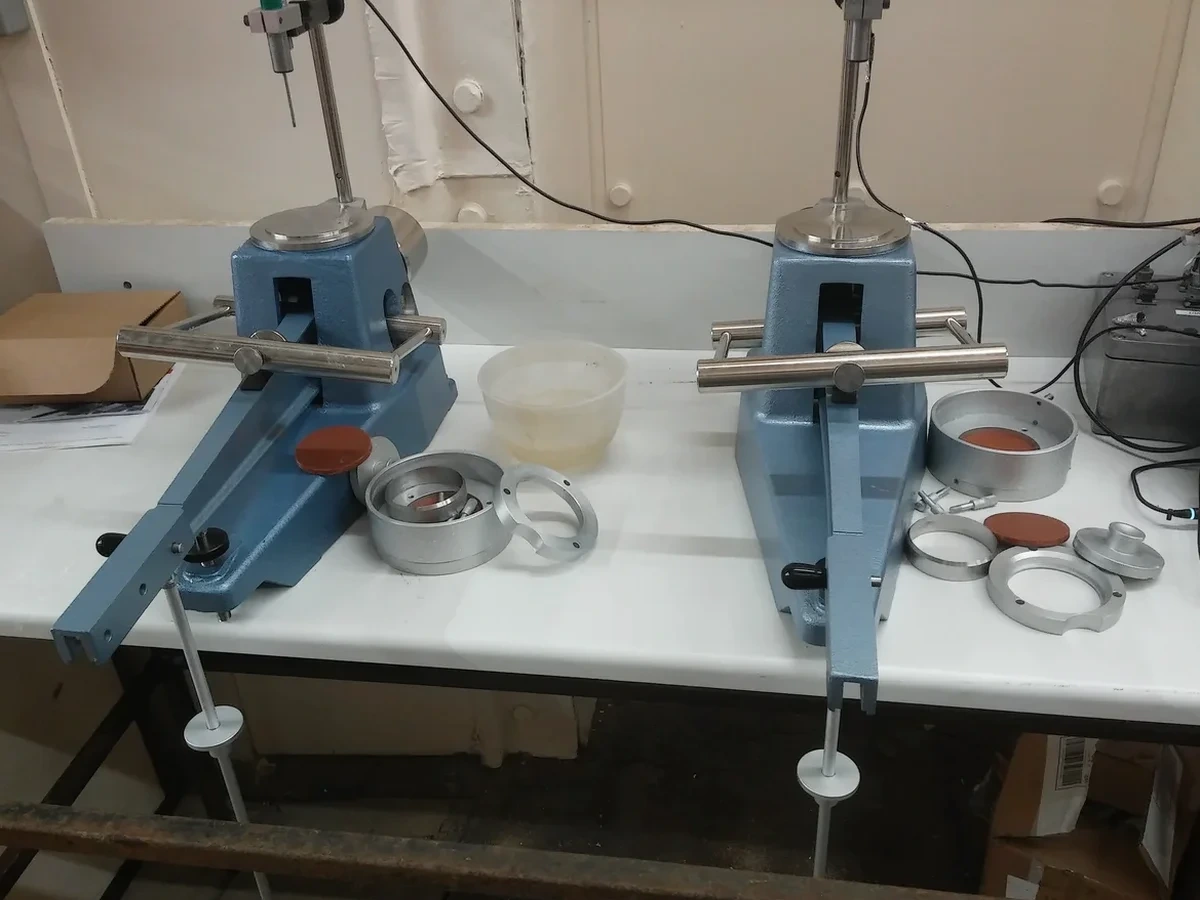
Garland's growth took off after WWII, transforming farmland into dense residential subdivisions across what is now the 12th most populous city in Texas. That legacy means many construction sites sit on residual clays with high plasticity. During the 1980s building boom, engineers here learned the hard way that ignoring the plasticity index leads to cracked slabs and failed pavements. The Atterberg limits test cuts through the risk. We oven-dry the sample, run the Casagrande cup for liquid limit, roll threads for plastic limit, and deliver the plasticity index within 24 hours. These three numbers anchor your USCS group symbol — think CH, CL, or MH — which feeds directly into foundation bearing capacity assumptions and pavement thickness design per the IBC. It's a small test with outsized impact on your project budget.
Atterberg Limits Testing in Garland: Fast Soil Classification for Builders
Technical reference — Garland

Local considerations

IBC Section 1803 requires soil classification for foundation design, and the ASTM D4318 Atterberg limits test is the primary method to get it. In Garland, the risk isn't theoretical. The expansive clays of the Eagle Ford and Taylor formations underlie much of the city, and their swell-shrink potential is directly tied to the plasticity index. A PI above 30 signals high expansion potential. Skip the test, and you might end up with a slab designed for a CL when you actually have a CH. The repair costs on a 2,500-square-foot home can exceed $30,000. For commercial projects near the President George Bush Turnpike, post-construction litigation over soil movement is a recurring nightmare. A $60 to $110 test prevents that. This isn't a line item to cut from your geotech scope.

Need a geotechnical assessment?

Reply within 24h.

Email: [email protected]

Reference standards

ASTM D4318: Standard Test Methods for Liquid Limit, Plastic Limit, and Plasticity Index of Soils, ASTM D2487: Standard Practice for Classification of Soils for Engineering Purposes (Unified Soil Classification System), IBC Section 1803: Geotechnical Investigations

Technical data

ParameterTypical value
Liquid Limit (LL)Per ASTM D4318, Casagrande cup method
Plastic Limit (PL)3.2 mm thread rolling procedure
Plasticity Index (PI)PI = LL - PL; key to soil classification
Soil ClassificationUSCS group symbol per ASTM D2487
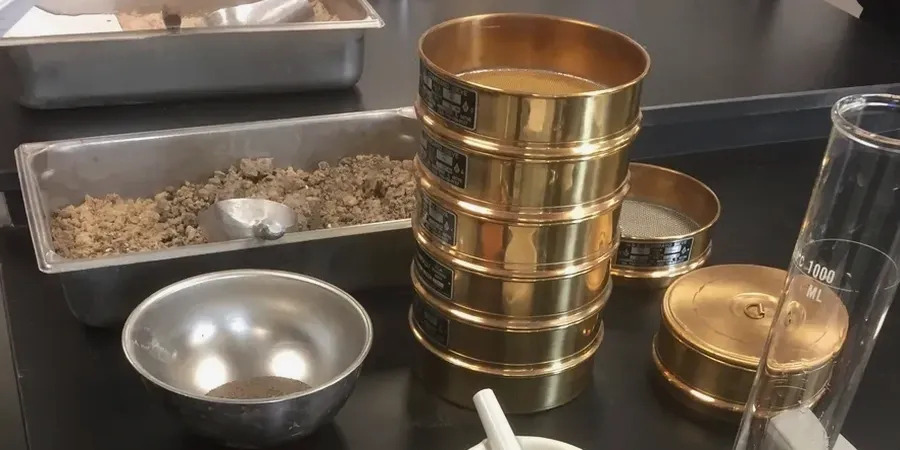
Specimen PreparationOven-dried, passing No. 40 sieve
Report TurnaroundTypically 24 hours for standard samples
Sample Size RequiredMinimum 450 g of minus No. 40 material

Frequently asked questions

What exactly do Atterberg limits tell me about my Garland site?

They define the moisture contents where your soil transitions from solid to plastic to liquid. The plasticity index — the range between liquid and plastic limits — is your direct indicator of how much the soil will shrink and swell with seasonal moisture changes. In Garland's Blackland Prairie clays, this is the single most useful number for foundation design.

How much does Atterberg limits testing cost in Garland?

The standard ASTM D4318 panel (liquid limit, plastic limit, and plasticity index) typically runs between US$60 and US$110 per sample, depending on sample condition and whether we need to wash fines through the No. 40 sieve first. Expedited same-day results may have a surcharge.

How long does the test take?

Standard turnaround is 24 hours after sample receipt. The liquid limit requires overnight oven drying and multiple cup-drop trials. The plastic limit is faster, but we cross-check both to ensure the plasticity index is reliable. Rush service is available for active construction sites.

What soil classification do I get from Atterberg limits?

Atterberg limits plus grain size analysis give you the full USCS group symbol per ASTM D2487 — for example, CL (lean clay), CH (fat clay), or MH (elastic silt). This classification feeds directly into IBC Table 1806.2 for presumptive bearing pressures and into pavement design thickness calculations for Garland roads and parking lots.

Location and service area

We serve projects in Garland and surrounding areas.

View larger map