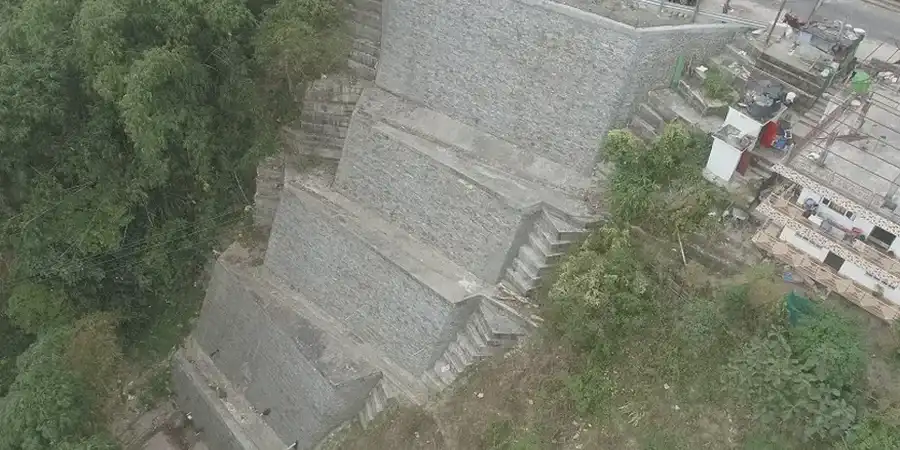
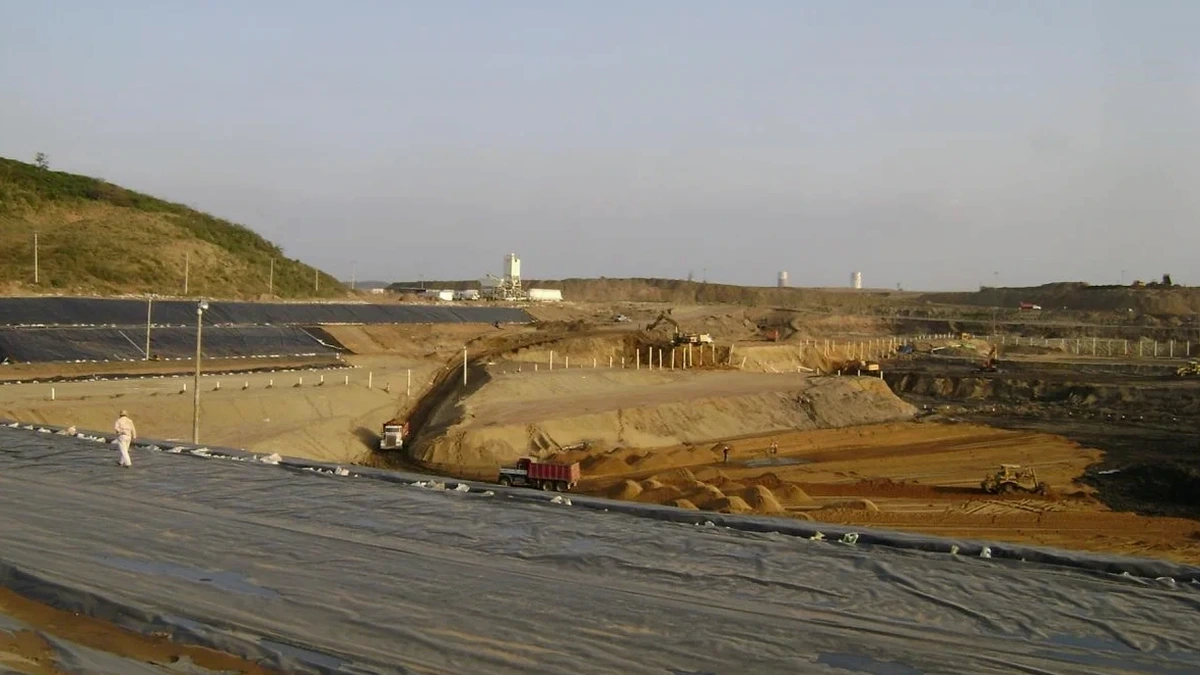
Garland sits at an elevation of roughly 550 feet on the Blackland Prairie, a geological province notorious for its highly plastic, expansive clays that can exert swelling pressures exceeding 15,000 psf. When a developer broke ground on a mixed-use structure near the revitalized downtown square, the excavation plan had to contend not just with a 28-foot cut but with the Eagle Ford Shale formation weathering into stiff, fissured clay at depth. This is precisely where a rigorous geotechnical design of deep excavations transitions from a line item in the project budget to the primary safeguard against catastrophic slope failure and basal heave. The design integrates subsurface stratigraphy from SPT borings with laboratory-derived shear strength parameters to model lateral earth pressures, ensuring that shoring systems and the excavation bottom remain stable throughout construction, even as the Texas summer heat desiccates the exposed clay faces.
In Garland’s expansive clays, the critical failure surface often propagates through desiccation cracks, turning a standard 30-foot cut into a three-dimensional stability problem.