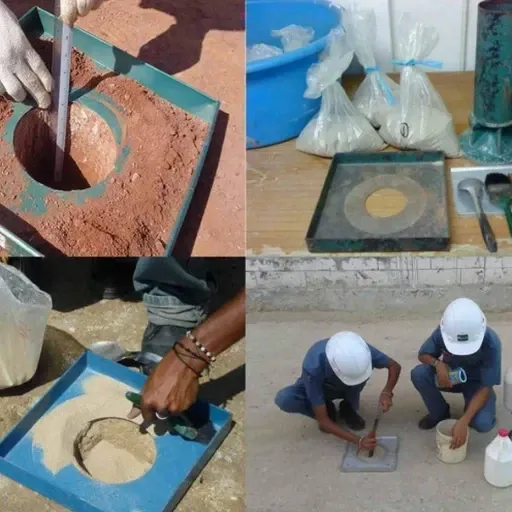
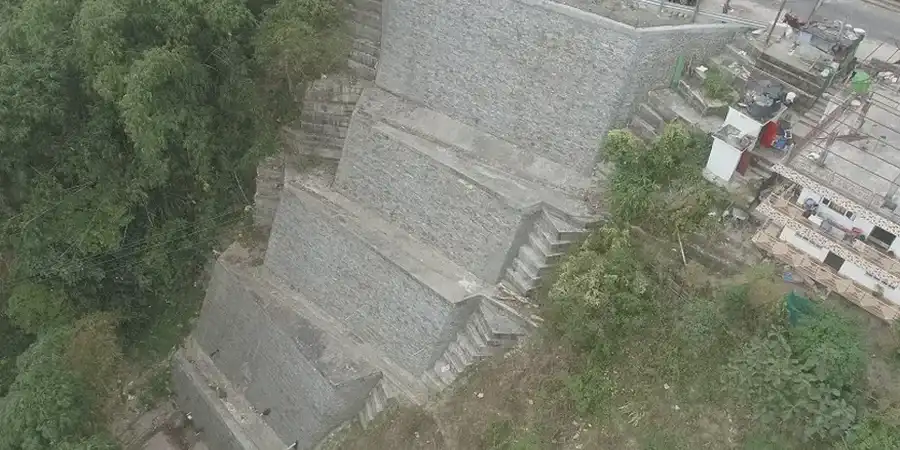
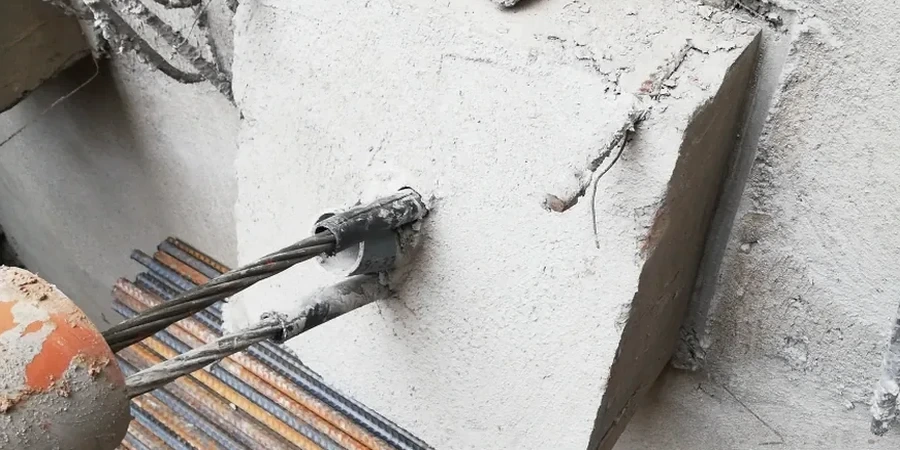
Garland sits at roughly 551 feet above sea level, but the real story lies just beneath the surface: highly plastic clays that swell with winter moisture and shrink through 100-degree summers. These expansive soils, common across the Blackland Prairie, impose lateral pressures that standard retaining walls cannot handle alone. When a commercial excavation off I-30 hit saturated Eagle Ford shale at 18 feet, passive resistance alone was insufficient, and active prestressing became the only viable path. The anchor system transfers tensile loads deep into the underlying Austin Chalk, bypassing the active zone of seasonal volume change. For engineers working within Garland's specific geotechnical envelope, combining a test pit investigation with anchor bond length calculations prevents the kind of progressive movement that leads to serviceability failures.
In expansive North Texas clays, an unstressed passive anchor can lose 40 percent of its pullout capacity within three wet-dry cycles if the bond zone is not isolated from the moisture-active layer.