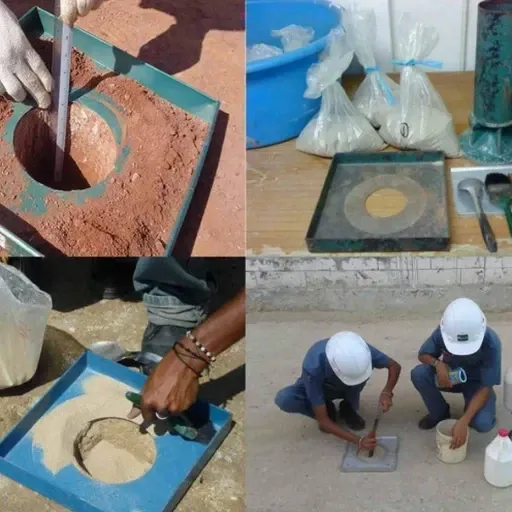
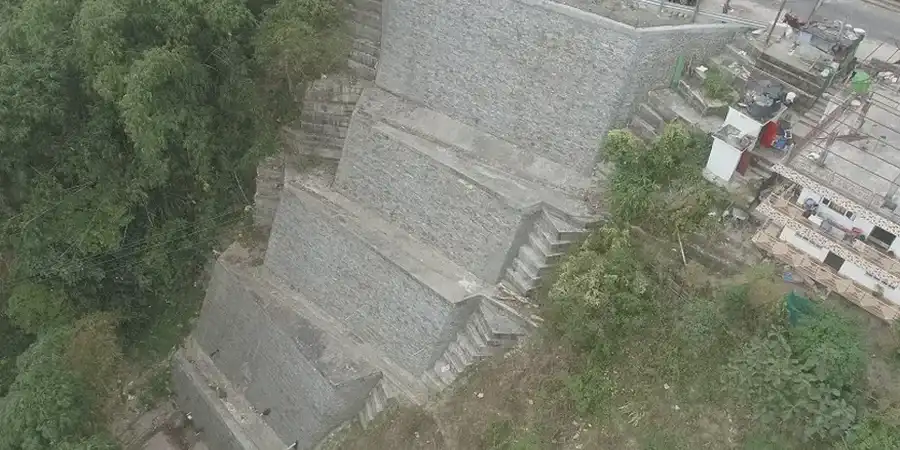
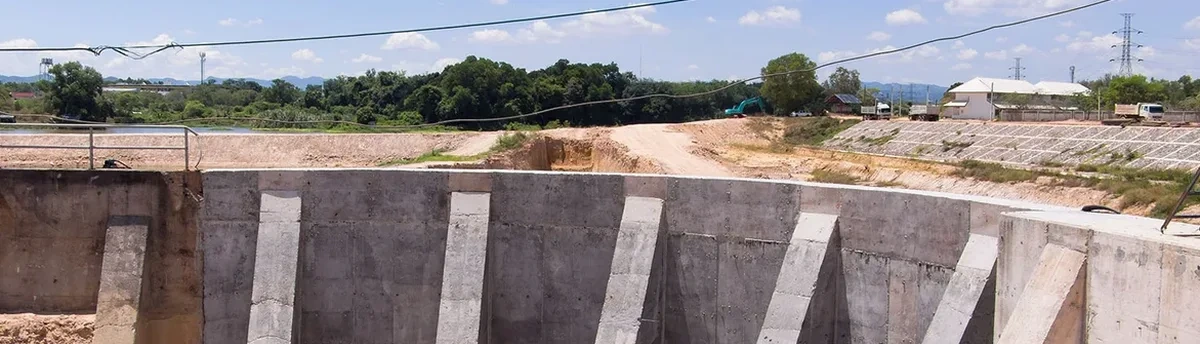
The soil profile in Garland changes fast when you move from the established neighborhoods near Broadway toward the developing sites east of Lake Ray Hubbard. Over by Firewheel, you might hit stiff Eagle Ford shale within ten feet. Closer to the lake, expect thicker alluvial clays that put real lateral pressure on shoring. That contrast is exactly why geotechnical excavation monitoring in Garland cannot follow a one-size-fits-all template. We tailor inclinometer arrays, settlement points, and piezometer networks to the actual subsurface you uncover on site. For projects near existing retail or residential structures, combining our monitoring plan with a test pits investigation gives you a ground-truth baseline before the first bucket hits the dirt.
Real-time tilt data from a soldier pile wall saved a Garland developer six figures by catching a groundwater-driven displacement three days before it threatened the adjacent fire station.