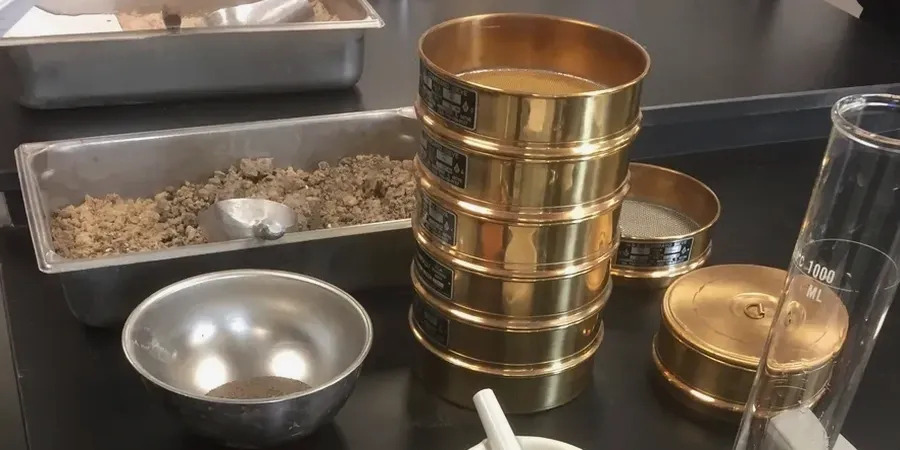
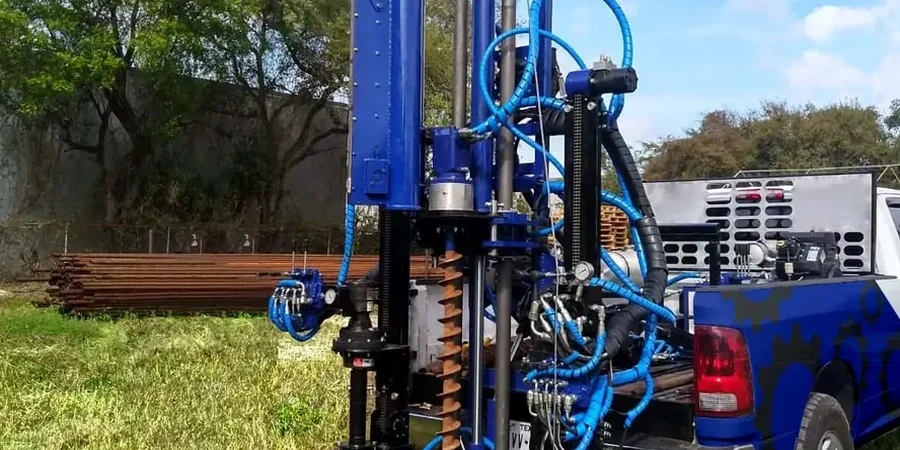
A three-story medical office building near the President George Bush Turnpike extension taught us a lesson we keep relearning in Garland. The initial geotech report relied on old county soil maps and assumed stiff clay at 12 feet. Our drill rig hit saturated fat clay with sand seams at 9 feet, and the SPT hammer started dropping almost under its own weight. We pulled continuous split-spoon samples through that transition zone, logged the blow counts every 6 inches, and caught the soft layer before the structural engineer finalized the column loads. That kind of on-the-fly adjustment is exactly what the standard penetration test is built for — it gives you a number you can trust right at the drill collar, not three weeks later from a lab report. For sites across Garland, from the older neighborhoods around Downtown to the expanding commercial corridors along I-30, we run ASTM D1586-compliant SPT testing with automatic trip hammers and calibrated energy ratios, so the N-values you get are directly usable in bearing capacity equations and liquefaction triggering analyses without guesswork about hammer efficiency. When the boring log shows N=4 in the upper clay and N=22 in the underlying shale, the foundation decision practically makes itself. We often pair the SPT data with a grain size analysis to confirm the fines content in those sand seams, which matters a lot for drainage and seismic classification in North Texas.
An SPT N-value isn't just a number on a log — it's a direct index of the soil's resistance to driving, and in Garland's expansive clays it tells you where the active zone ends and competent bearing material begins.