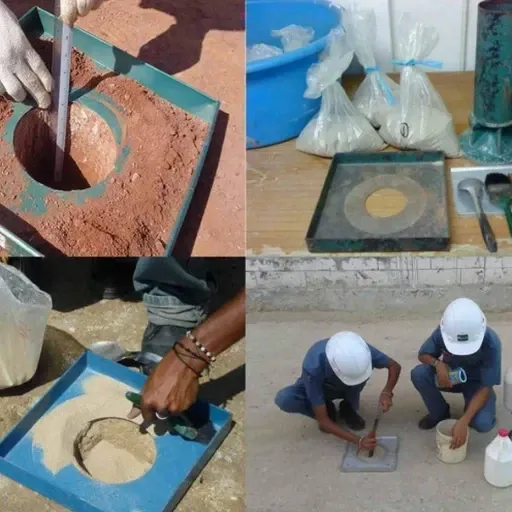
Driving east from Firewheel toward Duck Creek, you cross from sandy loam ridges into deep, black, cotton-like clay—two completely different worlds for a wall footing. In Garland, Texas, retaining wall design isn't a one-size-fits-all template; it's a direct response to the stratigraphy beneath each specific lot. The difference between a 4-foot garden wall and a 14-foot cut in the Rowlett Creek floodplain comes down to how well you read the expansive potential in the first ten feet of soil. Before a single yard of concrete is poured, the active zone moisture profile and the residual shear strength of the weathered Eagle Ford Shale define whether your wall works with the geology or fights it for decades. That's the logic we apply in every Garland retaining wall design we develop—testing first, guessing never. In areas where fill layers are suspected, we also bring in a test pit investigation to physically log the contact between natural ground and undocumented backfill that can compromise bearing.
A retaining wall in Garland fails from the backside first—hydrostatic pressure inside expansive clay will push it over long before the facing ever cracks.