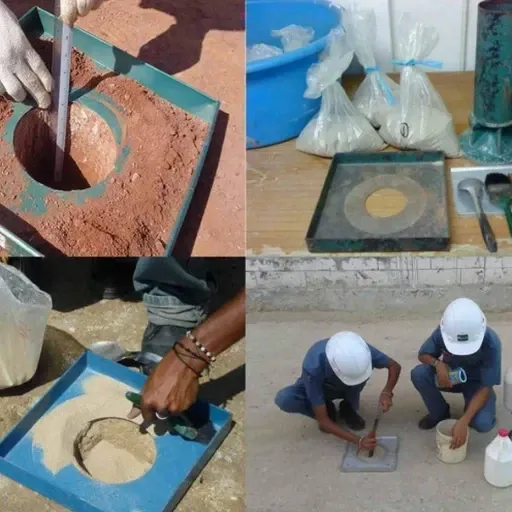
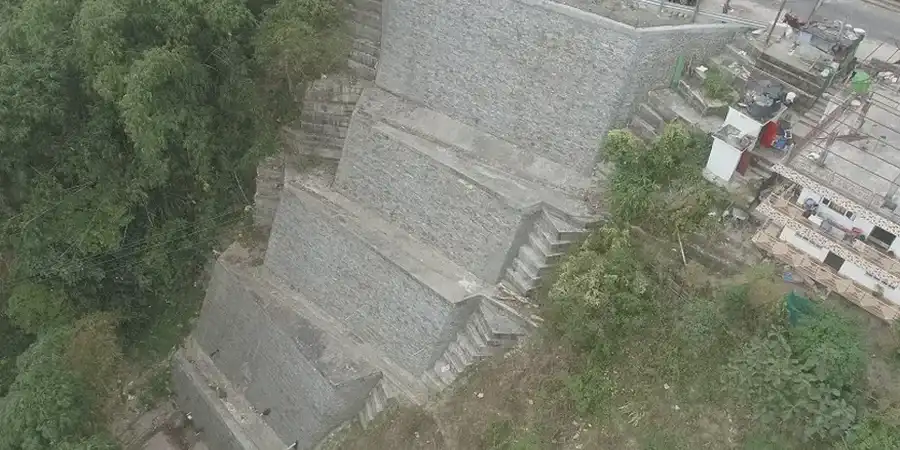
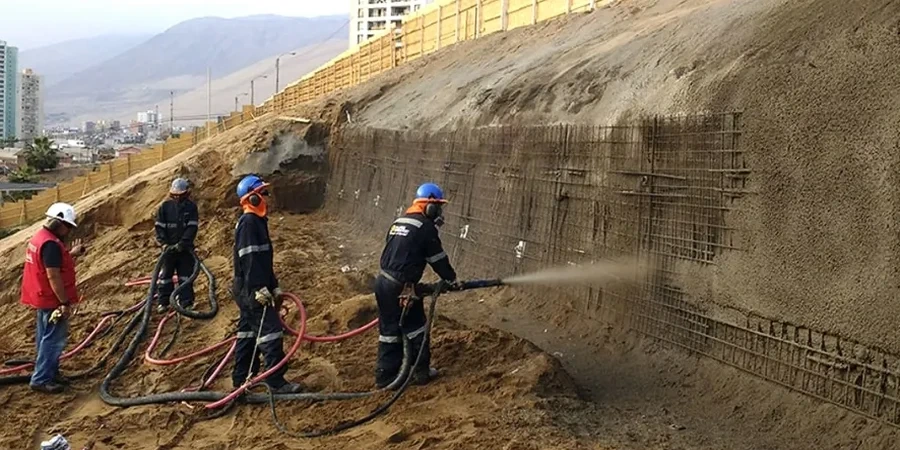
Garland's expansion eastward from Dallas brought development onto the Austin Chalk and Eagle Ford Shale formations, creating distinct geotechnical challenges on residential and commercial slopes. The city's 240,000 residents live across terrain where differential weathering of these sedimentary units produces variable shear strength profiles. Our laboratory conducts slope stability analysis that accounts for Garland's specific stratigraphy: the waxy, moisture-sensitive clays within the weathered Eagle Ford can lose significant strength after seasonal rainfall. For projects near Lake Ray Hubbard or along Duck Creek, we integrate data from test pits to map the contact between residual soil and weathered bedrock, a boundary that often controls the critical failure surface in local slope designs.
In Garland's Eagle Ford terrain, a slope can lose 30% of its factor of safety after just one wet winter if the weathered clay interface isn't modeled correctly.